Amy: Where Typography Meets the Arcane
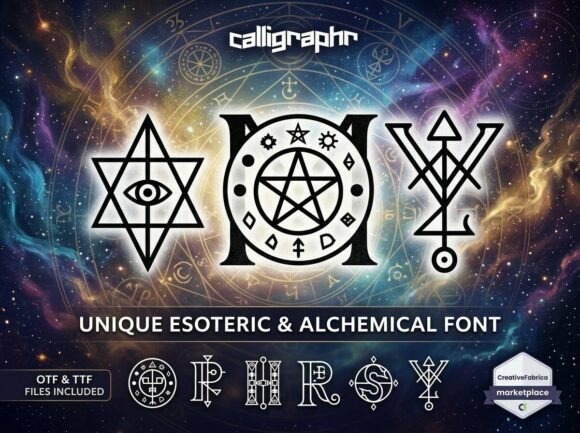
Imagine a typeface that doesn't just spell out words, but whispers ancient secrets. For designers crafting worlds steeped in mystery, fantasy, or esoteric knowledge, finding a font with genuine soul can be transformative. This is where Amy enters the conversation—a display font that transcends mere letterforms to become a vessel for hermetic mysticism. Its characters, meticulously constructed from esoteric sigils, alchemical symbols, and sacred geometry, offer an immediate visual language for projects that demand depth and intrigue.
The Anatomy of an Enigmatic Typeface
Amy's power lies in its intricate details. Each glyph is a composition of occult motifs: pentagrams subtly integrated into serifs, celestial alignments guiding the baseline, and the watchful occult eye forming elegant counters. Unlike generic "mystical" fonts that rely on novelty, Amy maintains a delicate, consistent line weight and a structured framework. This balance is crucial—it allows the typeface to be highly decorative while still functioning within a professional graphic design workflow. The result is a font that feels both ancient and meticulously crafted, perfect for establishing a strong, esoteric brand identity.
Practical Applications in Modern Design
The true value of a specialized creative asset like Amy is measured by its utility. Its unique aesthetic makes it a premier choice for specific, high-impact projects where visual storytelling is paramount.
- Branding & Logo Design: Craft unforgettable logos for fantasy authors, tarot readers, metaphysical shops, or indie game studios. Amy's glyphs can be extracted and used as standalone brand symbols, creating a cohesive and mysterious visual identity system.
- Editorial & Packaging Design: Elevate book covers for fantasy novels, design exquisite tarot deck packaging, or create enchanting labels for artisanal products with a spiritual theme. The font's detail shines in print design, especially when given room to breathe.
- Digital & Social Media: In the realm of "astrology-core" and spiritual influencer branding, Amy is a game-changer. Use it for striking social media headers, webinar titles, or podcast cover art that instantly communicates a niche's visual language. Its impact in a user's feed is immediate and engaging.
- Environmental & Merchandise: From event posters for fantasy conventions to branded merchandise like tote bags or journals, Amy provides a consistent, premium aesthetic that fans will recognize and covet.
Integrating Arcane Elements Thoughtfully
Introducing a typeface as visually rich as Amy requires a considered approach to maintain design integrity and effectiveness. Here are key tips for seamless integration:
- Prioritize Visual Hierarchy: Use Amy for headlines, subheads, and display text only. Pair it with a clean, highly readable sans-serif or serif for body copy to ensure accessibility and comfort. This contrast creates a dynamic and professional presentation.
- Respect the Details: Amy's intricate lines demand careful scaling. Avoid using it at very small sizes where its details may become muddy or lost. For digital applications, test rendering at various screen resolutions to ensure clarity.
- Curate Your Color Palette: The font pairs exceptionally well with deep, muted tones—midnight blues, rich burgundies, charcoal blacks, and antique golds. These colors complement its mystical soul without overwhelming the design's visual hierarchy.
- Context is King: Ensure the arcane aesthetic aligns with your project's core message and audience expectations. It's a powerful tool for the right audience but can feel incongruent if misapplied.
In the vast landscape of creative assets, a typeface like Amy represents more than a stylistic choice; it's a foundational element for world-building. It demonstrates how thoughtful typography can instantly set a tone, communicate a niche, and forge a deeper connection with a target audience. By selecting assets that carry authentic narrative weight, designers and creators do more than assemble visuals—they build immersive experiences that resonate on a subconscious level, proving that the right design choice is, in itself, a form of storytelling.